A Complete Essential Guide for Living in Phuket, Thailand

When you are at home imagining moving to an island, the picture you build in your mind typically involves rustic huts, quiet beaches and no contact with the outside world. You wouldn’t be wrong to think that choosing between island life and the hustle and bustle of cities means choosing between your mental health & peace of mind and easy access to modern amenities.
But what if you didn’t have to make that choice?
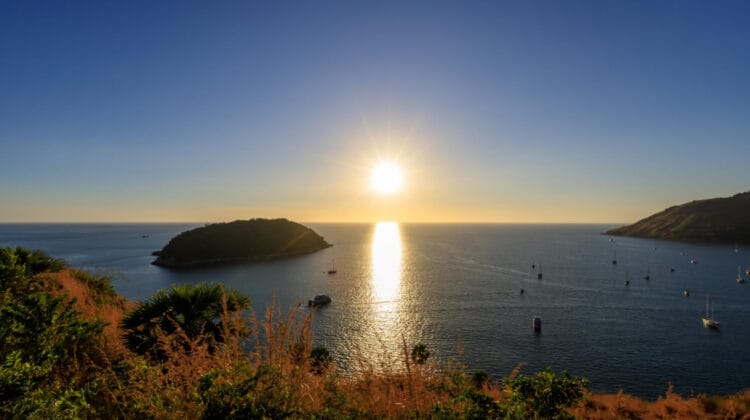
There are many reasons why people are choosing to move to Phuket. It’s one of the world’s rarest islands because it serves as a vibrant, convenient, cosmopolitan metropolitan hub, yet it is set on one of the world’s most beautiful island paradises. In Phuket, you can find global businesses, and enjoy world-class gourmet food in one moment, and in the next, be on a beautiful beach eating 2$ fried rice. Many people love living in Phuket because it feels like you’re on vacation.
Why is Phuket the best place to live in Thailand?
Phuket has many unique advantages that make it the choice for many to make their permanent move to…
Forget winter coats, snow shovels, and seasonal affective disorder. Phuket has its hot, tropical weather year-round. While the rainy season exists, it’s often characterised by its intense, refreshing bursts of rain followed by immediate sunshine, meaning you trade freezing months for just a few hours of showers. Your daily average is simply summer.
For those tired of the suffocating smog common in large metropolitan hubs, Phuket is a literal breath of fresh air. Compared to the dense air pollution found in urban centres like Bangkok or the seasonal smoke in Chiang Mai, Phuket benefits from being surrounded by the ocean, which constantly cleanses the air, keeping pollution levels significantly lower.
Phuket has evolved far beyond a resort town. It has international schools, world-class hospitals, modern shopping centres, and many luxury residential developments. This is why it offers the closest experience to true modern city living, complete with all its comforts and conveniences, while still ensuring you are never more than a 20-minute drive from the sea.
For boating enthusiasts, sailors, and yacht owners, Phuket is the place to be. With numerous marinas, repair facilities, and world-class sailing regattas, it serves as the launching pad for daily island exploration. The opportunity to hop on a long-tail boat or your own yacht and discover new, hidden beaches is an everyday reality, not a once-a-year luxury.
Planning To Move Phuket?
We provide All-in-one Cost effective services So you can move to Phuket with ease.
- Visa & Work Permits
- Driving Licence
- Local Bank Accounts
- Housing (Rental & Purchase)
- Legal
How to get to Phuket
Phuket’s status as a major international hub means accessibility is rarely an issue. These are the main ways you can reach the island..
By Plane
For most visitors, Phuket International Airport (HKT) serves as the main entry point, offering robust, expanding global connectivity. You can find frequent direct flights from regional hubs like Singapore, Mumbai, Sydney and Kuala Lumpur, as well as daily connections to major Middle Eastern gateways such as Doha and Dubai.
If you’re travelling domestically from the Thai mainland, the key is choosing your Bangkok airport wisely:
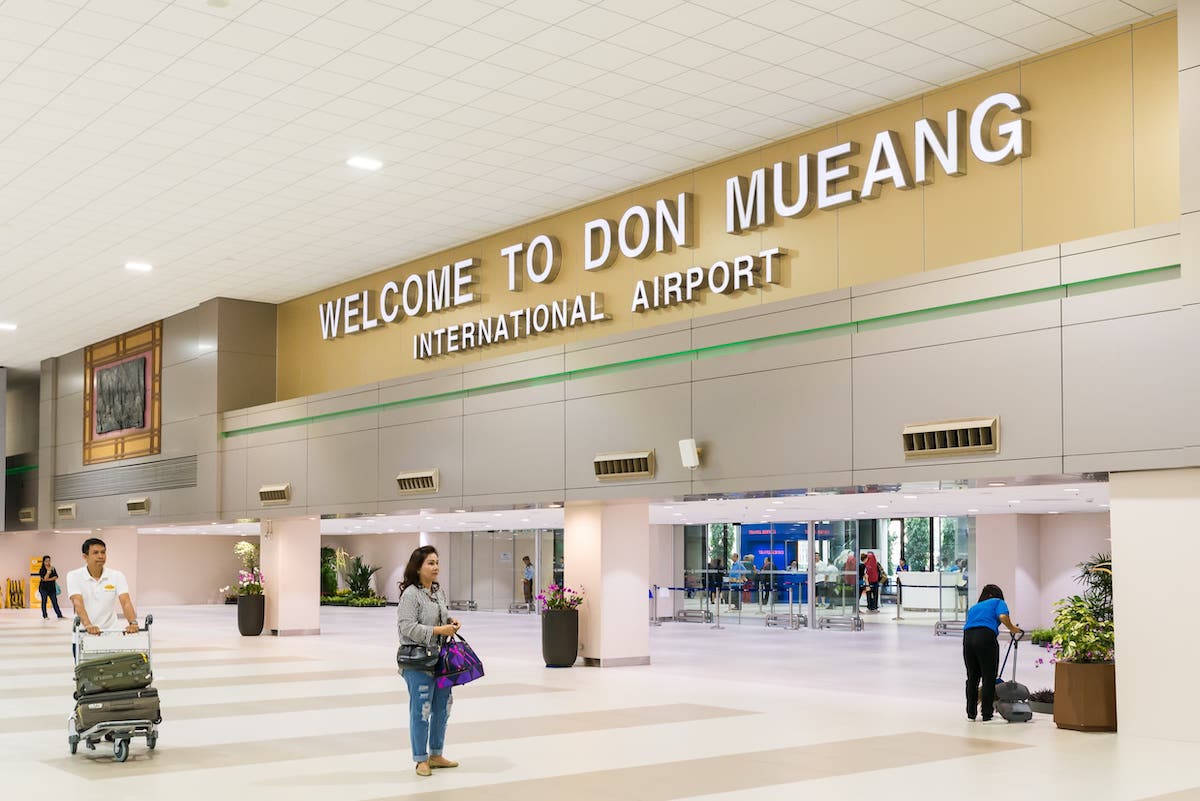
- Don Mueang (DMK): The preferred choice for budget travellers, serving as the central hub for low-cost airlines (Thai AirAsia and Nok Air).
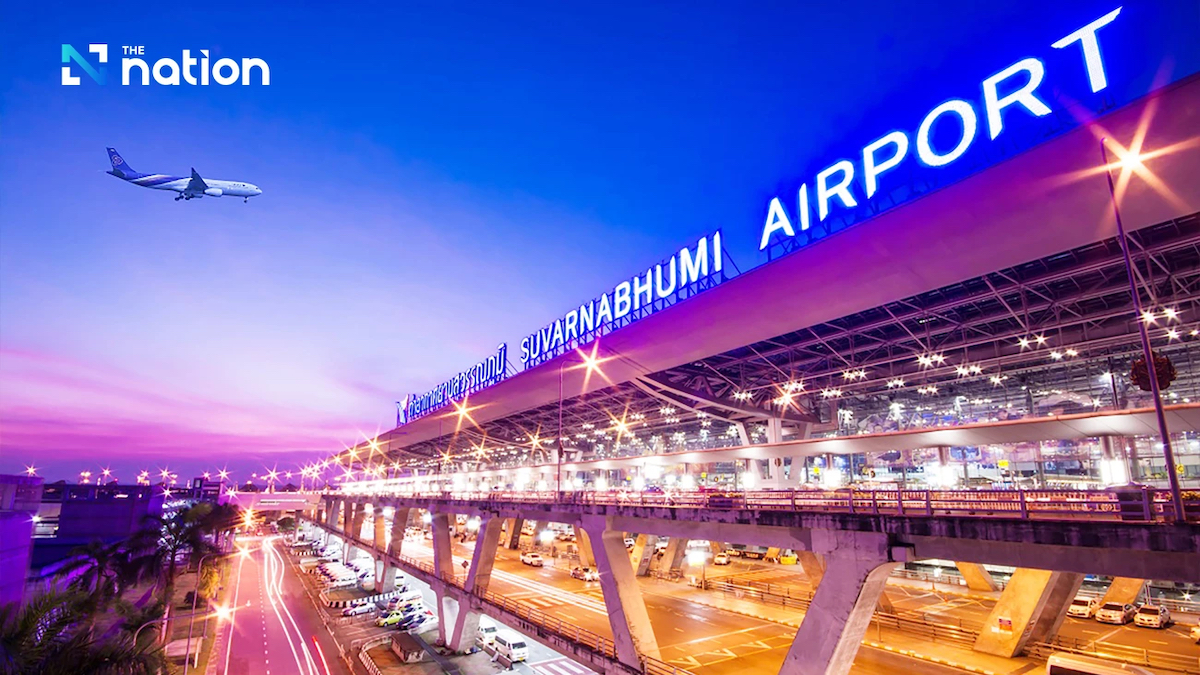
- Suvarnabhumi (BKK): The main international airport; domestic connections here can sometimes be more expensive but offer more full-service options.
By Bus
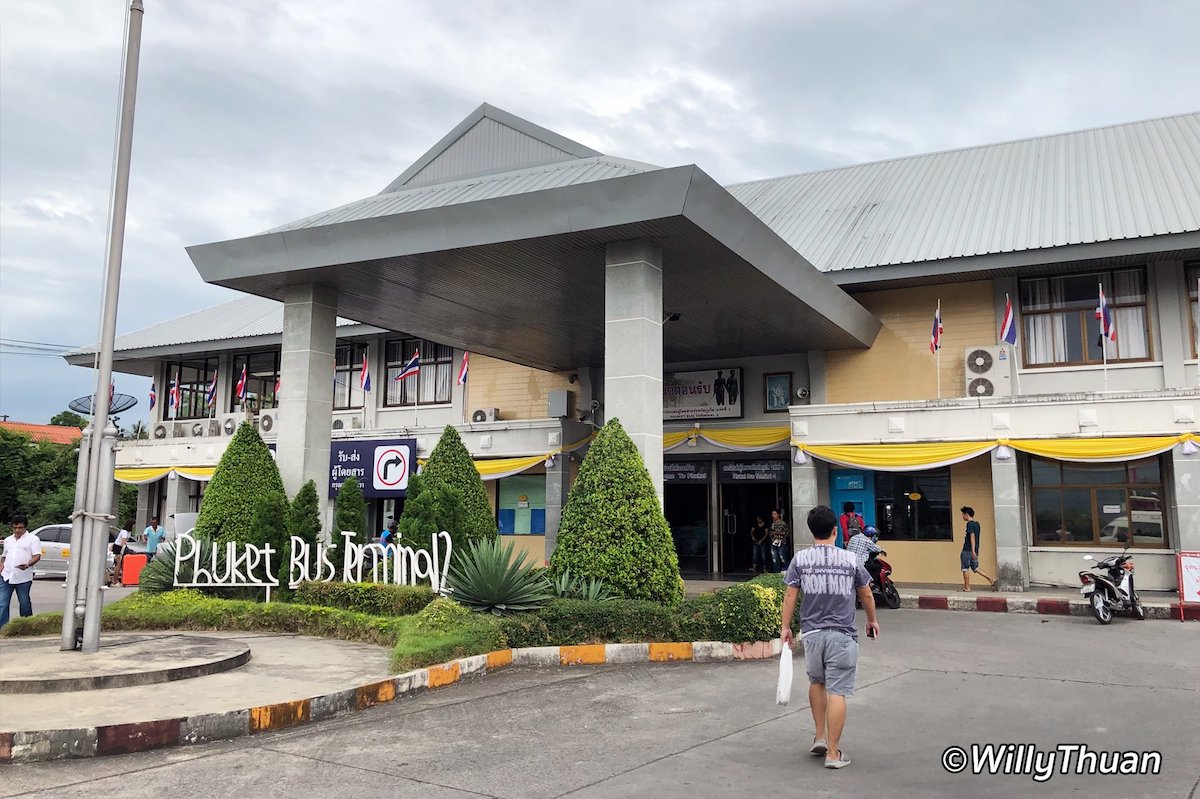
For those preferring overland travel and cheaper options, Phuket is connected to the mainland via the Sarasin Bridge. It’s important to note the distinction between the two bus terminals in Phuket Town:
- Terminal 1: Located in the heart of Phuket Old Town, this primarily handles local minivans and short-distance routes within the province.
- Terminal 2: Located north of Phuket Town, this is the main long-distance arrival and departure point. For comfort and better amenities upon arrival from a long-haul journey (e.g., from Bangkok), Terminal 2 is the preferred destination.
Major state bus routes frequently connect Phuket to Bangkok, popular southern provinces like Krabi, Songkhla, Phang Nga and Surat Thani, and even extend as far north as Chiang Mai.
By Boat
Phuket’s position as a significant maritime hub makes sea travel a popular and highly scenic choice.
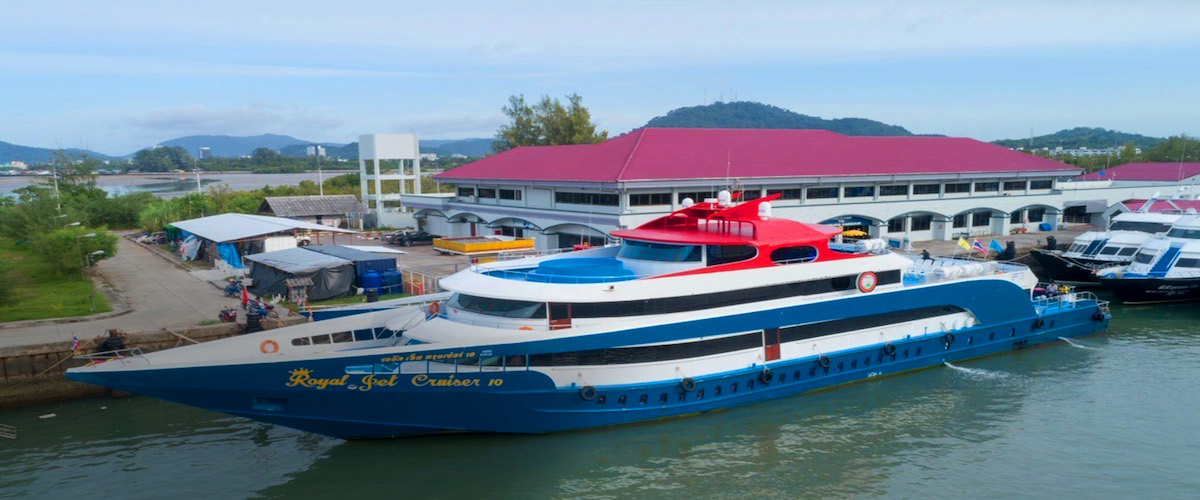
The island’s Rassada Pier is the epicentre of domestic travel, offering frequent, fast ferry routes that connect daily to Thailand’s most famous islands and coastal towns, including Koh Phi Phi, Koh Lanta, and Ao Nang (Krabi).
The only regular international sea travel is a lengthy speedboat-and-ferry combination (approximately 8.5 hours) from Langkawi, Malaysia. Any other international sea travel generally requires chartering a private vessel.
Our preferred area to live in Phuket.
Once you’ve arrived, the next crucial step is deciding where on the island to stay and/or live. Phuket is larger and more diverse than many visitors expect, and each major area caters to wildly different lifestyles, budgets, and demographics. Here’s what we recommend..
Cherng Talay
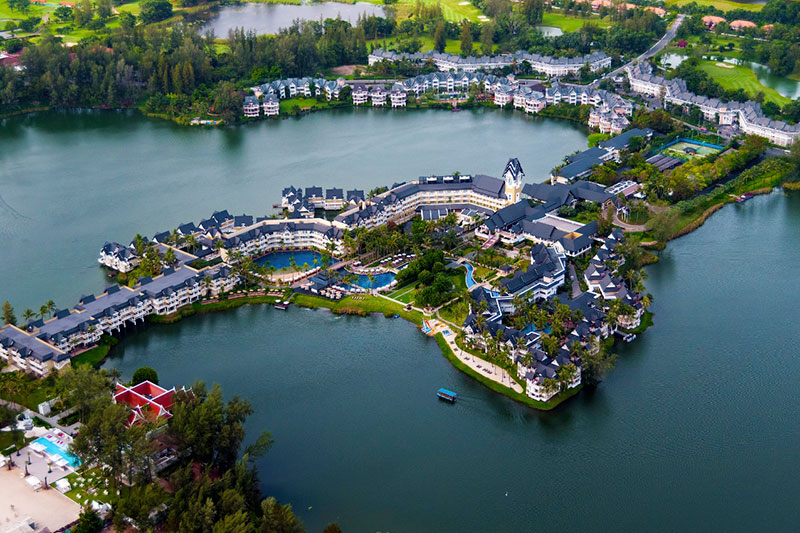
Cherng Talay and the surrounding areas (Laguna, Layan) are generally considered the most desirable and developed parts of the island, attracting a large international community seeking luxury and convenience. It embodies the high-end expat lifestyle, centred around modern convenience and exclusive living.
In Cherng Talay, you have access to world-class amenities like Boat Avenue and Porto by Central, a hub of dining options from excellent local street food to Michelin-star restaurants, quiet, beautiful beaches, and a relatively short distance from the airport.
But you have to be aware that this area has the highest cost of living on the island. Due to its popularity, the main access roads suffer from significant traffic congestion during peak hours.
Rawai
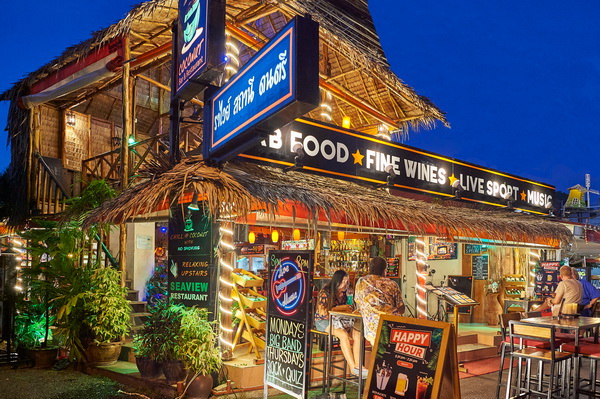
Rawai is on the southernmost tip of the island; its identity lies as the island’s centre for healthy living, driven by its vibrant fitness community. It offers an excellent balance of lower cost and an active, community-driven lifestyle, perfect for those prioritising physical health.
Rawai has a noticeably lower cost of living than the central west coast, a huge and dedicated fitness scene (Muay Thai gyms, yoga studios, CrossFit boxes) and access to beautiful nearby beaches and viewpoints.
However, you will have to trade centrality for value. There are no nearby primary international schools or large shopping malls (requiring trips north), the roads can be congested, and it is the furthest central area from the airport.
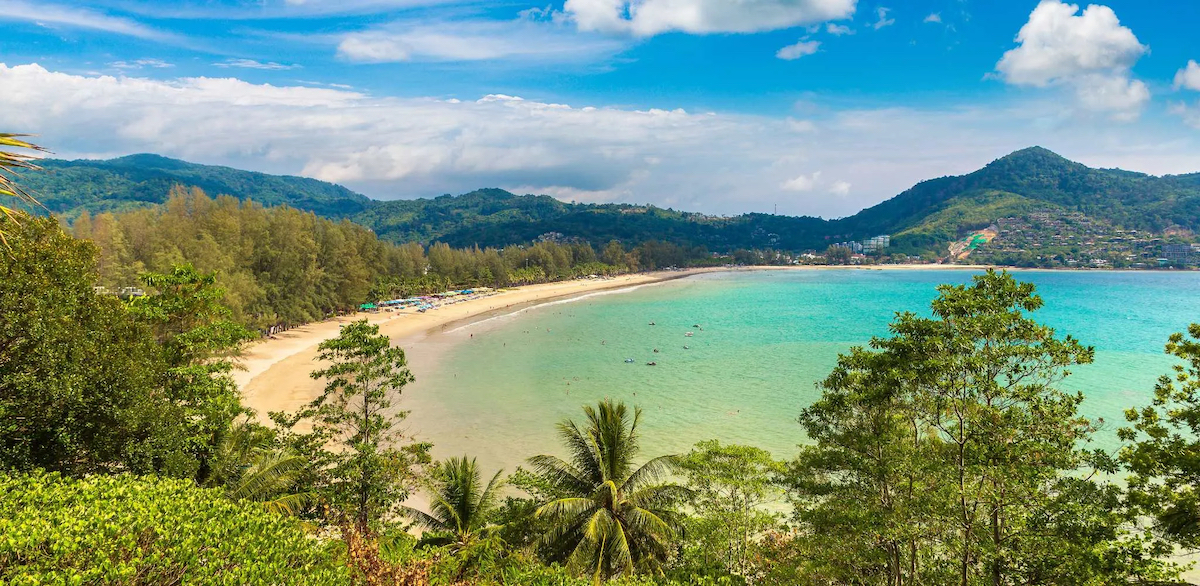
Kamala
Kamala provides a good compromise, acting as a middle ground both geographically and financially. Its focus is a friendly, mid-range location that allows residents to access both the north and south sides of the island without being fully committed to either.
Kamal is in a good, central, and accessible location, a manageable, mid-range cost of living and a solid selection of local stores and amenities for daily life.
But it’s often busy with traffic. Accommodation tends to be older and less luxurious than in Cherng Talay. Some areas are known to be prone to landslides or flooding during severe rainy periods. Also, like Rawai, it lacks nearby international schools.
Mai Khao
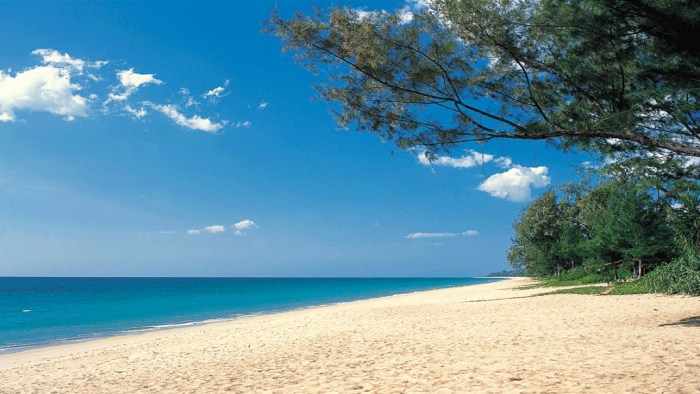
If escaping the crowds entirely is your goal, Mai Khao, located at the northern end of the island near the Sarasin Bridge, offers a remote, tranquil alternative. It’s ideal for those who value absolute peace over proximity to nightlife or major shopping, featuring untouched beaches and a lower development density.
A Detailed Cost of Living Breakdown in Phuket by some popular regions
While we’ve established that Phuket is more expensive than the mainland, successful long-term living requires specific budget planning. Below is a granular look at expected costs, with housing being the primary driver.
Residential Rental Costs (Monthly Average in THB)
| Area | 1-Bedroom Condo/Apartment | 2–3 Bed Townhouse/Small House | 3-Bedroom Pool Villa |
| Cherng Talay/Laguna | 25,000 – 45,000 | 45,000 – 75,000 | 80,000 – 180,000+ |
| Rawai/Nai Harn | 15,000 – 25,000 | 25,000 – 40,000 | 50,000 – 120,000+ |
| Kamala/Patong | 18,000 – 30,000 | 30,000 – 50,000 | 60,000 – 120,000+ |
| Phuket Town | 10,000- 20,000 | 20,000 -50,000 | 80,000-120,000 + |
Note: Cherng Talay has the highest demand, meaning costs here are closest to Western prices, especially for modern pool villas. Rawai offers the best value for spacious housing.
Average Monthly Budget Examples
Note: This is an approximation based on a mix of local and Western dining, regular use of ride-hailing/private transport, and mid-range accommodation.
| Category | Single Person (Budget) | Single Person (Comfortable) | Couple (Comfortable) | Family (2 Adults, 2 Kids) |
| Rent | 15,000 (Studio/Local Apt) | 25,000 (1BR Condo) | 35,000 (2BR House/Condo) | 60,000 (3BR Villa/House) |
| Food & Groceries | 10,000 | 18,000 | 28,000 | 45,000 |
| Utilities | 2,500 | 3,500 | 4,500 | 7,000 |
| Transport (Bike/Car) | 3,000 (Bike rental/Fuel) | 6,000 (Car rental/Grab) | 8,000 (Car rental/Fuel) | 12,000 (Family car/Fuel) |
| Leisure/Personal | 5,000 | 10,000 | 15,000 | 20,000 |
| Education (International) | N/A | N/A | N/A | 60,000 – 100,000+ |
| Total (Approx. THB/Month) | 35,500 – 45,000 | 62,500 – 75,000 | 90,500 – 110,000 | 184,000 – 244,000+ |
Housing & Renting
Renting in Thailand & Phuket differs from most Western countries. Knowing the market and legal realities is key.
Finding Your Home
The most common and effective ways to find long-term rentals are:
Online Property Portals: Websites listing professional agent properties (for high-end villas), some of the suggested websites- Fazwaaz, CBRE and Dot Property
Facebook Groups: A highly active source for direct-owner listings and community recommendations, Suggestions to join groups like – expats in Phuket, property for rent in Phuket and Phuket resales
Local Agents: Highly recommended: they can translate, vet property titles, and handle contract registration. Local agents have multiple offices throughout Phuket; you can find agent shops in almost every part of Phuket.
Tip: Start your search early, especially during the high season (November-April), as prime properties go quickly..
Contract & Security Realities
Common Contract Length: 12 months is the standard. Shorter leases (6 months) are possible but incur a significant price premium.
Security Deposit: The standard is typically 1–2 months’ rent, paid upfront alongside the first month’s rent.
When renting, insist on a clear, written contract in both Thai and English. Take a video/photo inventory of the property’s condition before moving in.
Make sure you don’t rent from someone who cannot produce the title deed (or a clear copy) as proof of ownership.
Buying Property as a Foreigner
This is a frequent search topic, and the rules are clear: Foreigners are legally prohibited from owning land in Thailand.
- Condominiums (Freehold): Foreigners can own condominiums on a freehold basis, provided the foreign ownership quota (49% of the building’s total area) has not been reached.
- Houses and Land (Leasehold): The only way for a foreigner to legally control a home or villa is through a Leasehold structure, which grants a 30-year registered lease, typically renewable two times for a total of 90 years of tenure.
- Thai Company Ownership: While foreigners sometimes set up a Thai Limited Company (which can own land), this route is heavily scrutinised to prevent the use of Thai “nominees” to circumvent the land ownership laws. Consult a specialised Thai lawyer if considering this complex route.
Too many areas to choose from?
Let us make it simple.
Schooling & Education (For Families)
Education is often the most significant monthly cost for families. Phuket is home to some of the region’s most renowned international schools.
Phuket’s Top International Schools
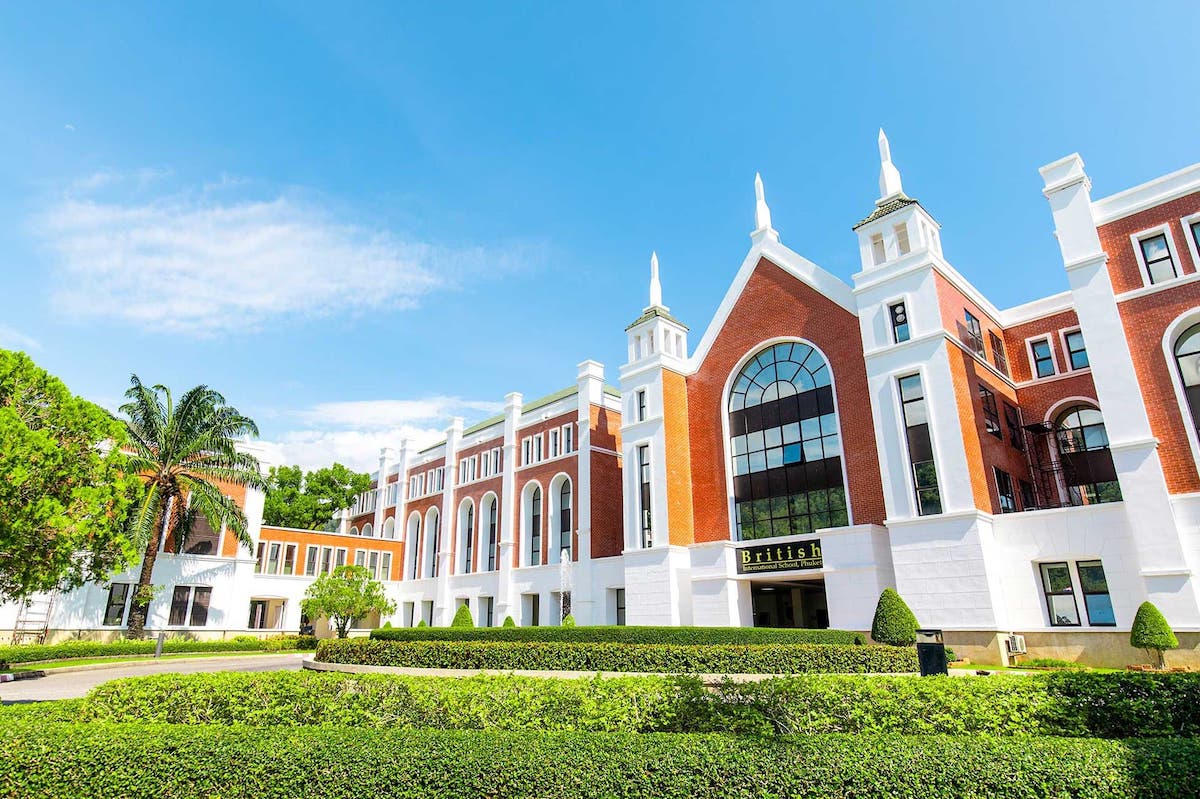
British International School, Phuket (BISP): Wide range of curricula, boarding option, high tuition.
United World College Thailand (UWCT): Focus on holistic education (IB curriculum), excellent facilities.
HeadStart International School: British curriculum, wide age range.
Mid Range International Schools
Kajonkiet International School (KIS) : Excellent value, large campus, well-established, high academic focus. Located in Kathu.
BCIS Phuket: Offers a unique bilingual option (French/English). Facilities are modern and located in Chalong.
Finnway International School: Focus on creative, holistic, and “happy learning.” Follows the highly-regarded Finnish national model. Located in Cherngtalay.
International School Tuition Ranges
International school tuition fees are highly variable, but are the single most significant financial commitment for an expat family.
Kindergarten/Early Years: 200,000 – 400,000 THB per year
Primary/Secondary: 400,000 – 750,000+ THB per year
Kindergarten and Transport
Kindergarten Options: In addition to the primary international schools, smaller, community-focused kindergartens (often Montessori or bilingual) offer lower-cost options (150,000–250,000 THB per year).
Transport: Most international schools offer private bus/van services, which are included in the annual fee (typically 70,000–90,000 THB/year).
Transportation & Getting Around
When You Need a Motorbike and Safety
For single people or couples on a budget, a motorcycle is almost a necessity for running daily errands, especially outside major tourist hubs.
- Motorbike Rental Prices: 3,000 – 5,000 THB per month for a scooter.
- Safety Warning: Road conditions and traffic discipline are poor. Wear a helmet at all times (it’s the law) and ensure you have proper travel insurance that covers riding a motorcycle.
Tip- In Phuket, motorbikers cannot go through underpasses; if caught, they may face fines.
| Feature | Car (Rental Average: 12,000–25,000 THB/Month) | Motorbike (Rental Average: 3,000–5,000 THB/Month) |
| Pros | Safety, air conditioning, family transport, and weather protection. | Highly manoeuvrable in traffic, low cost, easy parking. |
| Cons | Costly ride-hailing/taxis, and traffic congestion is high. | High accident risk, no weather protection, and a low carrying capacity is low. |
Driving License & Parking
Thai Driving License: You will need a Thai driving license (car and/or motorcycle) to drive in the long term legally. You can apply using your foreign license/International Driving Permit, a medical certificate, and a residency certificate from Immigration.
Parking Realities: Most residents are unaware that free, convenient parking is extremely limited in commercial areas. Condos/villas usually offer private parking, but expect to pay for public car parks in popular areas like Phuket Town or Patong.

Visas In Phuket
Securing your long-term right to stay and work in Thailand is crucial. It’s important to move beyond short-term tourist options quickly and establish a sustainable residency plan.
Short-Term Entry
These options are merely bridges to a long-term plan and should not be relied upon for extended residency.
- Tourist Visa: Valid for up to 60 days, extendable once (total 90 days).
- Visa On Arrival/Visa Exemption: Grants 15 to 45 days, depending on your nationality.
Long-Term Stay (The Main Categories)
These are the most common visas used by long-term residents and workers.
- Non-Immigrant Visa (B) – Business/Work: The standard visa for working professionals who have secured a job and a Work Permit, offering either a single-entry (90-day) or multiple-entry (1-year) option.
- Non-Immigrant Visa (O) – Retirement/Marriage: The “O” visa has dual purpose: it’s used for Retirement (for those 50 or older meeting financial requirements) or for Marriage to a Thai national.
- Non-Immigrant Visa (ED) – Education: Used for full-time students, this is commonly issued for a one-year, multiple-entry stay tied to course enrollment.
Speciality Visas (The Premium Path)
For high-net-worth individuals, investors, or highly skilled professionals, Thailand offers premium residency options that bypass many standard immigration procedures.
- Elite Visa: A membership program providing a long-term stay (5 to 20 years) with premium, fast-track immigration benefits, concierge services, and freedom from 90-day reporting.
- LTR Visa (Long-Term Resident): Allows a stay of up to 10 years for qualified residents in specific groups: Wealthy Global Citizens, Wealthy Pensioners, Work-From-Thailand Professionals, and Highly-Skilled Professionals.
- Smart Visa: Specifically targets highly skilled professionals, investors, and entrepreneurs in Thailand’s key target industries (e.g., tech, R&D).
For professional assistance with long-term visa applications and compliance in Phuket, connect with a reliable corporate and legal service provider: Serendipity Phuket.
Banking, Money & Taxes
Opening a Thai Bank Account
The primary challenge is your visa.
Best Banks for Expats: Bangkok Bank (BBL) and Kasikorn Bank (KBank) are generally the most expat-friendly, with English-language services and apps.
Requirements (The Must-Haves):
Non-Tourist Visa: Non-Immigrant B (Work), O (Retirement/Marriage), or ED (Education) is typically required.
Passport.
Proof of Residency: Rental contract, utility bill, or a certificate of residency from Immigration/Embassy.
Work Permit: Highly recommended for a smooth process, but some banks may open an account without one if you have a long-term visa.
Taxes and Sending Money
- Income Tax for Expats: If you work for a Thai company, income tax is deducted at source. Thailand operates on a progressive tax system.
- Sending Money Abroad: Traditional bank transfers are slow and costly. Wise (formerly TransferWise) or Revolut is recommended for fast, cost-effective transfers to and from Thailand.
- Double-Taxation Agreements: Thailand has DTAs with many countries (e.g., the UK, the USA, and Australia) to prevent double taxation of the same income. Consulting a tax professional is essential if you earn income internationally.
Doing Business In Phuket
Starting a business in Thailand is certainly possible but requires dedication, resources, and a willingness to adapt.
Cultural Shift
Be warned that Thai Business Culture is significantly different from the West. Prioritising these cultural nuances is key to long-term success. Thai culture prioritises harmony, relationship-building (known as gaining face), and hierarchy over the direct, transactional approach often found in Western countries. Take time to build personal rapport with partners and employees, and avoid confrontation or criticism in public settings.
Red Tape and Legal Compliance
The business setup process involves considerable bureaucracy and specific financial requirements for foreign participation.
- Financial Requirement: Starting a company that allows for a foreign work permit requires meeting minimum registered capital requirements, typically 2 million THB per foreign employee.
- Compliance: You must navigate the complex Foreign Business Act and associated compliance requirements (e.g., minimum Thai employee quotas).
- Recommendation: Consulting a specialised legal or corporate services firm is highly recommended to navigate these complex laws and ensure compliance.
Need Expert Business Setup Support?
To ensure your venture is legally sound and set up for success from day one, consider using a professional relocation and business services firm.
Serendipity Phuket offers comprehensive Financial, Investment & Business services, including:
- Business registration & permits.
- Work permits and compliance.
- Corporate advisory and legal support.
Planning To Move Phuket?
We help you settle without the stress. Everything you need in one place:
- Visa & Work Permits
- Housing (Rent or Buy)
- Bank Accounts
- Driving Licence
- Legal Support
Healthcare and Essential Contacts In Phuket
While Phuket is an extremely safe place to live, knowing where to go in an emergency and which facilities to rely on is helpful for peace of mind. Phuket’s healthcare system is split between world-class private facilities and essential public services.
Healthcare Facilities in Phuket
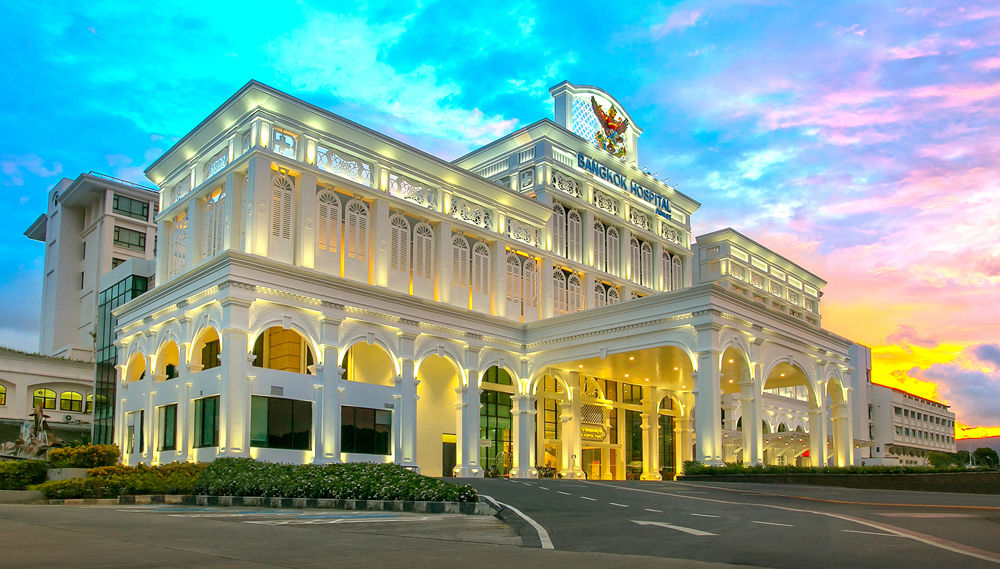
Bangkok Hospital Phuket
This facility is often considered the gold standard private, international-standard facility on the island. They offer comprehensive services, multilingual staff, short wait times, and a focus on medical tourism. It’s best for expats with good insurance; it is the preferred choice for immediate, high-quality private care.
Mission Hospital Phuket
A well-respected private hospital linked to a worldwide religious healthcare network. Missions Hospital offers high-quality care with a strong emphasis on community service and value. This is a strong private option often chosen for its balance of quality and community focus.
Vachira Phuket Hospital
This is the central public hospital for Phuket Province and is crucial for local healthcare infrastructure. It’s equipped to handle all major trauma and emergency services. But wait times are significantly longer, and English may be less widely spoken, but the cost is substantially lower than that of private hospitals.
Phuket is a medical tourism hub, meaning healthcare is world-class but comes with a price.
Dental and Procedure Cost Examples
Phuket is also a hub for dental tourism, here’s a look at the prices
| Procedure (Approximate THB) | Average Cost Range (Private Clinic/Hospital) |
| Dental Cleaning & Polish | 1,500 – 2,500 |
| Simple Tooth Filling (Composite) | 1,000 – 3,000 |
| Standard Consult with Private Doctor | 800 – 1,500 |
| Full-Coverage Dental Crown (Ceramic) | 15,000 – 20,000 |
Note: Comprehensive health insurance is non-negotiable for peace of mind.
Essential Apps for Daily Living
Your digital toolkit for Phuket:
| App | Use Case |
| Grab / Bolt | Ride-hailing and food delivery (The essential transport apps). |
| Grab/ Lineman | Food and grocery delivery (Lineman is better for local Thai food). |
| Lazada / Shopee | The two dominant e-commerce platforms for online shopping are. |
| Thai Banking Apps | Essential for instant payment and transfers (every Thai business uses PromptPay). |
Weather & Seasons – What New Residents Must Expect
You noted the weather is great, but new residents need to understand the nuances of the tropical cycle.
Rainy Season Realities
The rainy season is typically from May to October.
While the stereotype is non-stop rain, the reality is intense, short bursts (tropical downpours), often followed by immediate sunshine. Full-day washouts are rare but do happen. The upside of the rainy season is lower prices, fewer tourists, and a lush, green landscape. The sea can be choppy (red flags are often up on west coast beaches).
Flood and Air Quality Warnings
Flood-Prone Areas: Low-lying, flat areas, especially in Phuket Town and parts of Kamala, are prone to flooding during severe, prolonged storms. Check a property’s elevation before signing a long-term lease.
Air Quality: Phuket’s air quality is generally excellent. However, there can be brief, seasonal spikes in haze (air pollution) from surrounding areas, mainly during the dry season (February–April).
Essential Emergency Numbers
Keep these numbers stored in your phone immediately upon arrival:
- Tourist Support: Tourist Police (1155) – Recommended for English speakers who require assistance, guidance, or who are victims of minor crimes. They are available 24/7.
- Core Emergencies:
- Police: 191 (General Emergency)
- Ambulance/Medical Emergency: 1669 (Public Ambulance Service)
- Fire Department: 199